Wednesday — August 05, 2026
Automatisiert mit einem lokalen KI-Modell erstellt, ohne redaktionelle Prüfung vor Veröffentlichung.
AI Ethics Debate
You are a debate moderator. Present both sides of the argument on whether AI companies should be allowed to digitize and then destroy physical books to train models. Include ethical, legal, and cultural perspectives. Keep it balanced and concise.
AI labs shred rare books after scanning, sparking outrage

The revelation that AI labs are buying and destroying rare books has sent shockwaves through the literary and tech communities. Reports indicate that companies have acquired entire libraries of out-of-print texts, some of which are irreplaceable, to scan and use as training data for large language models. After scanning, the physical copies are shredded or pulped, effectively erasing them from existence. The scale is staggering: millions of books have been destroyed, many of which exist in only a handful of copies worldwide.
This practice raises urgent ethical questions. Books are not just data; they are cultural artifacts that carry historical context, marginalia, and physical presence. Libraries and archives have spent decades preserving these works, only to see them destroyed for commercial gain. The AI companies argue that they need high-quality text data to train models, and that out-of-print books are a valuable resource. But the destruction of the originals is not necessary — they could be scanned and returned, or digitized in partnership with libraries.
The backlash has been swift. Authors have expressed horror, and some have called for legal action. Copyright laws are already murky when it comes to training data, but the physical destruction adds a new layer of criminality that could provoke regulators. Some experts suggest that this could be a tipping point for public opinion against AI labs, which are already under scrutiny for data scraping practices.
What can be done? For now, the damage is done for those books. But this controversy highlights the need for transparency and ethical guidelines in AI data collection. Companies should be required to preserve originals or work with archival institutions. As consumers, we can support organizations that advocate for responsible AI and put pressure on labs to change their ways.
Meine Einschätzung: This is dystopian-level shortsightedness. We're literally burning books for AI training data — the irony would be funny if it weren't so destructive.
KIMI K3 outperforms Claude and GPT in tests
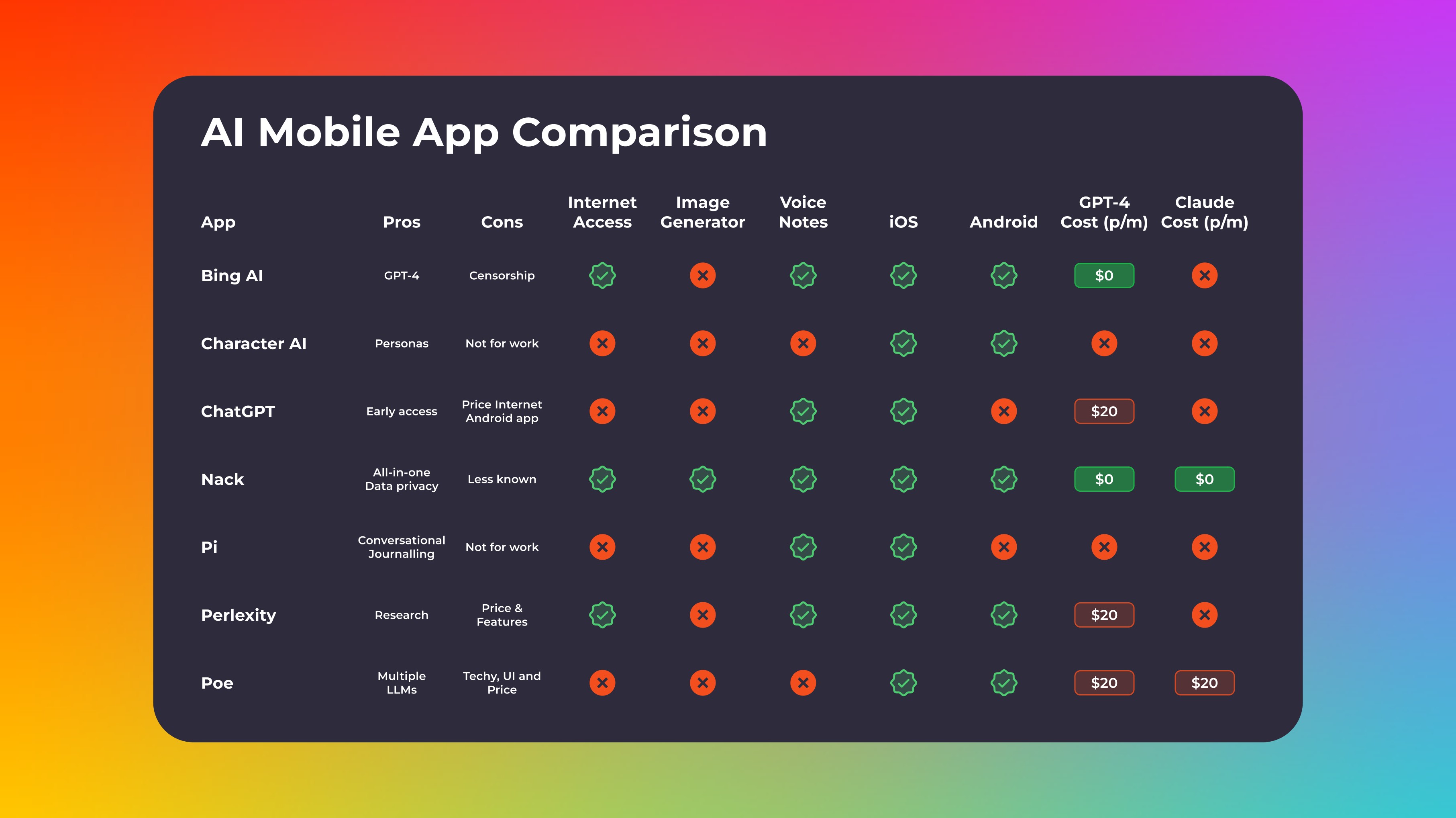
In the world of AI, model releases are usually dominated by a few big names: OpenAI, Anthropic, Google. But this week, a lesser-known model called KIMI K3 from Moonshot AI has been making waves. In recent tests, KIMI K3 outperformed Claude and GPT on several standard benchmarks, including reasoning and coding tasks. The results were so surprising that some experts initially thought they were a mistake, but they have been verified by independent evaluators.
KIMI K3 is not entirely new — Moonshot AI has been building models for a while, but KIMI K3 is their most powerful yet. What makes it stand out is its efficiency: it reportedly achieves these results with fewer parameters and less training data than its competitors. This could be a game-changer for AI deployment, especially on edge devices where computational resources are limited.
However, benchmarks are not the whole story. Real-world performance can vary, and KIMI K3 has not yet been tested extensively in production environments. Still, the fact that it can compete with (and beat) models from much larger companies is a sign that the AI field is becoming more democratized. It also puts pressure on OpenAI and Anthropic to innovate faster, which is good for everyone.
For developers and businesses, this is a reminder to keep an eye on emerging models. The next big thing might not come from the usual suspects. As for Moonshot AI, they are likely to attract more attention and investment, which could accelerate their growth. The AI race is far from over, and KIMI K3 is proof that underdogs can bite.
Meine Einschätzung: I'm impressed but also wary. Benchmarks can be gamed, but if KIMI K3 is real, it's a wake-up call for the big labs.
AI employees petition US government for regulation
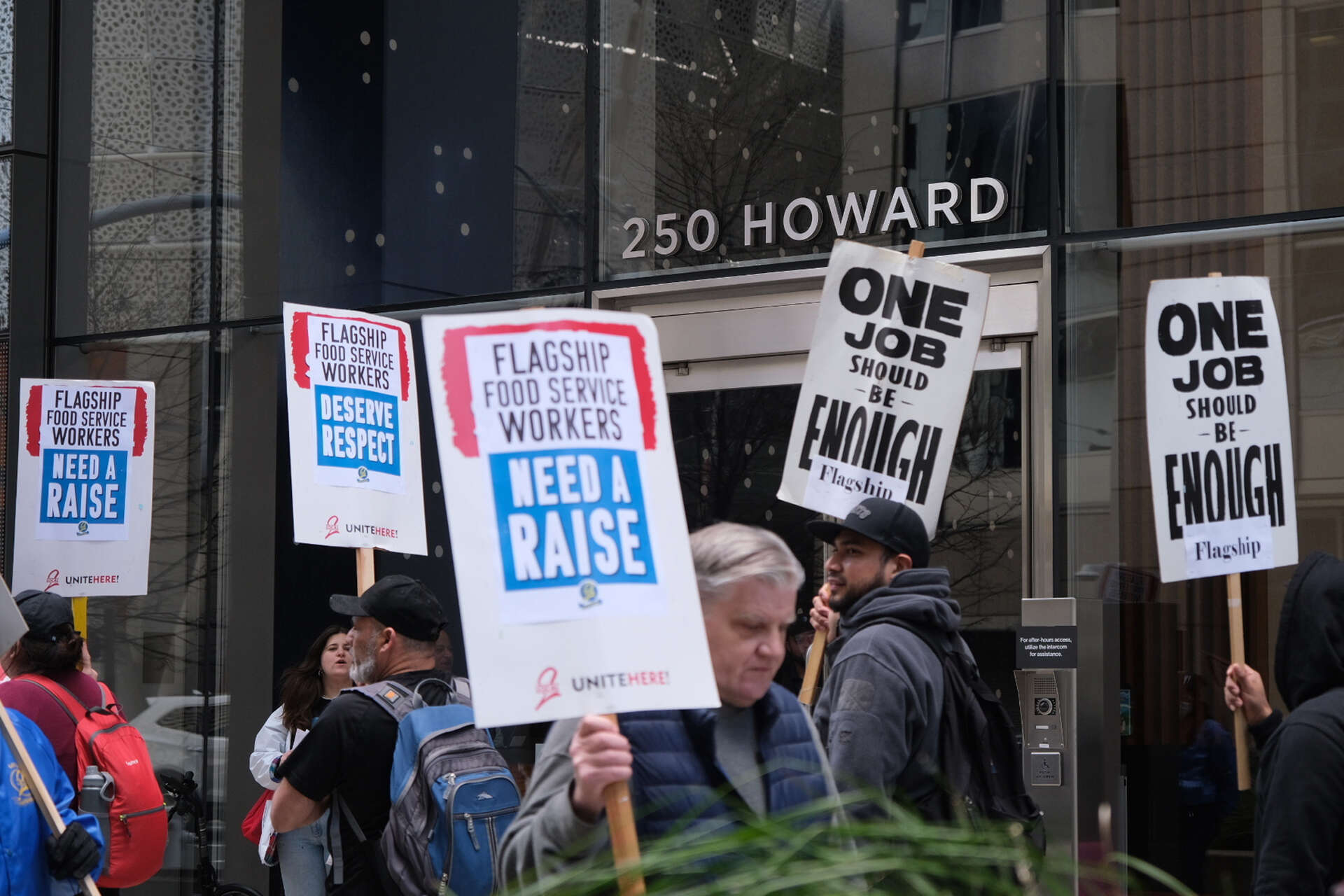
In a rare show of internal dissent, employees from several major AI companies have launched a petition calling for the US government to regulate AI more strictly. The petition, which has gathered thousands of signatures, argues that the current pace of development is unsafe and that companies are prioritizing profits over people. It specifically asks for mandatory safety testing, transparency in training data, and limits on the use of AI in high-stakes decision-making.
This is a significant development because AI companies have historically resisted regulation, arguing that it would stifle innovation. But now, some of their own employees are saying that the risks are too great to ignore. They cite examples of AI systems causing harm, such as biased hiring algorithms and deepfakes, as evidence that self-regulation is not working.
The petition has been met with mixed reactions. Some industry leaders have dismissed it as fear-mongering, while others have expressed support. Politicians are taking notice, with several lawmakers calling for hearings on AI regulation. The petition could shift the political landscape, giving regulators more ammunition to push for new laws.
For now, the petition is a symbolic gesture, but it could have real consequences. If enough employees speak out, it could force companies to change their practices voluntarily. It also puts pressure on the government to act, especially in an election year. The AI industry is at a crossroads, and this petition is a sign that even those inside the machine have doubts.
Meine Einschätzung: Finally, some accountability from the inside. It's easy to ignore external critics, but when your own engineers are scared, you should listen.
Andrew Ng launches AI learning startup

Andrew Ng, co-founder of Google Brain and former chief scientist at Baidu, has announced a new venture dedicated to AI education. The startup, which is still in its early stages, plans to offer courses and tools that help people learn AI by doing, rather than just watching lectures. Ng has been a vocal advocate for democratizing AI knowledge, and this new project seems to be a natural extension of his work with Coursera and DeepLearning.AI.
The timing is apt: the demand for AI skills is skyrocketing, but many existing courses are either too theoretical or too expensive. Ng's new startup aims to fill that gap by providing affordable, project-based learning. The curriculum will likely cover everything from machine learning fundamentals to advanced topics like generative AI and MLOps.
Ng's reputation gives the startup instant credibility, but it also faces stiff competition from established players like Coursera, Udacity, and even university programs. However, Ng has a knack for making complex topics accessible, and his previous ventures have been hugely successful. He also has a large following, which will help with marketing.
For learners, this is good news. More options mean better quality and lower prices. It also signals that AI education is becoming a serious business, which could lead to more innovation in the space. If Ng can deliver on his promise, this could be a game-changer for anyone looking to break into AI.
Meine Einschätzung: Good move. We need more practical education, not just theory. If anyone can make AI learning accessible, it's Ng.
Mozilla releases first open-source AI report

Mozilla, the nonprofit behind the Firefox browser, has released its inaugural open-source AI report. The report is a comprehensive analysis of the current AI landscape, covering topics like model transparency, data governance, and the societal impacts of AI. It also includes case studies and recommendations for policymakers, companies, and individuals.
One of the key findings is that AI development is becoming increasingly concentrated in a few large corporations, which raises concerns about accountability and fairness. The report calls for more open-source models and datasets, as well as stronger regulations to ensure AI benefits everyone, not just the elite.
Mozilla's involvement is significant because it is a nonprofit with a history of advocating for an open and accessible internet. The report is likely to be used by activists and researchers to push for change. It also puts pressure on other tech companies to be more transparent about their AI practices.
The report is not just a critique; it offers practical solutions. For example, it suggests creating 'model cards' that detail how AI models are trained and tested, similar to nutrition labels on food. It also recommends that governments fund public AI research to counterbalance corporate influence.
For the average person, the report is a useful resource for understanding what's happening in AI and what can be done about it. It's a reminder that AI is not just a technical issue but a societal one, and that we all have a stake in how it develops.
Meine Einschätzung: It's about time someone big put out a critical look at AI. Mozilla has the credibility to make this report matter.
Deep Dive
How to Evaluate AI Models Beyond Benchmarks
When you see a headline like 'KIMI K3 beats GPT,' it's tempting to switch models immediately. But benchmarks are only a rough guide. To make the right choice for your project, you need to dig deeper.
First, understand what the benchmark actually tests. Many benchmarks are narrow — they measure performance on specific tasks like math or coding, but not real-world reasoning or safety. Look for benchmarks that are relevant to your use case. For example, if you're building a chatbot, test it on conversational tasks, not just multiple-choice questions.
Second, run your own evaluation. Use a small set of representative samples from your data and compare outputs from different models. This is more reliable than any public benchmark because it reflects your actual needs. Create a scoring rubric that includes accuracy, tone, and adherence to constraints.
Third, consider the cost and latency. A model that scores 1% higher on a benchmark but costs twice as much might not be worth it. Evaluate the total cost of ownership, including API fees, compute time, and maintenance. Sometimes a smaller, faster model is better for your application.
Fourth, check for bias and robustness. Test the model with edge cases and adversarial inputs. See how it handles sensitive topics or ambiguous queries. A model that fails on these might cause more harm than good, even if it scores well on a test.
Finally, stay updated. The AI field moves fast, and today's best model might be obsolete tomorrow. Build a workflow that allows you to easily swap models in and out. Use APIs that are model-agnostic, and keep your evaluation pipeline ready to test new contenders.
By following these steps, you can make informed decisions that go beyond the hype. Remember, benchmarks are a starting point, not the final word.
Don't let the machines make all the decisions — especially when they're shredding the books.